Episode 1: Cracking the Code: Finding the Perfect Geyser Timer & Thermostat Settings for Your Home
July 24, 2025
Episode 3: Install It Once. Not Twice. Why a Qualified Tradesman Is Worth Every Cent
September 2, 2025Episode 2: The Heat Is On – Unless It’s Leaking Out Your Pipes: Why Geyser & Pipe Insulation Matters
Let’s say you’ve done the basics: installed a timer, set your thermostat to the right temperature, maybe even started timing your showers like a Formula 1 pit stop.
But there’s one energy thief that might still be at work in your ceiling: heat loss from your geyser and hot water pipes.
Why Insulation Matters
Every metre of hot water pipe that isn’t insulated is a little money leak. Heat escapes. Water cools down. Your geyser kicks in again to reheat it. Rinse. Repeat. Pay more.
Proper insulation keeps the heat where it belongs: in the water, not your ceiling.
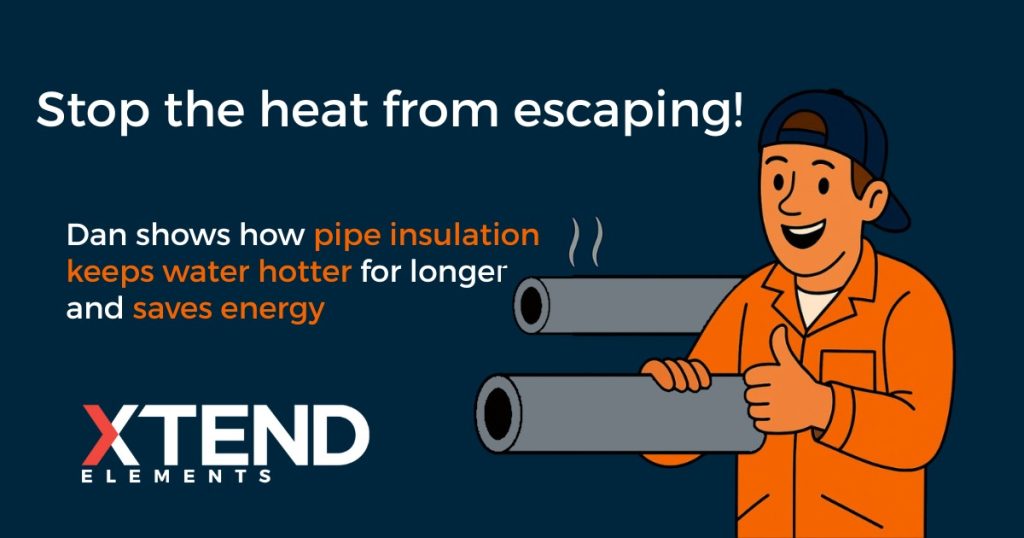
Dan puts it simply:
“You wouldn’t wear a T-shirt in the snow, would you? Then why leave your geyser and pipes naked?”
Two Key Areas to Insulate
-
The Geyser Itself
Also called a "geyser blanket." These are usually made of thermal fibre and help reduce standby heat loss from the tank.
-
The First 2–3 Metres of Hot Water Pipes
Focus especially on the outlet pipe. That’s where most of the heat escapes before it even gets to your tap.
"Insulate like your bank balance depends on it. Because it does."- says Dan
Real-World Savings
-
A well-insulated geyser can cut standby heat loss by 20% to 40%.
-
Pipe insulation can reduce heat loss by up to 70% on exposed runs.
-
Less reheating = fewer kilowatt hours = lower electricity bill every month.
But What About Solar?
Even if you're using solar PV or solar thermal to heat your geyser, insulation is critical. The less energy you waste, the more efficient your system becomes. More heat stays in the tank = more free hot water.
What Should You Use?
-
Geyser Blankets: Look for SABS-approved, foil-faced thermal wraps.
-
Pipe Lagging: Use foam lagging with at least 15mm to 25mm thickness, depending on the diameter of the pipe. Tape the joints for extra protection.
Bonus: This also reduces condensation on cold days and helps pipes survive temperature swings.
DIY or Get Help?
You can DIY geyser and pipe insulation if you're handy. But if you're unsure, call in a qualified plumber or energy consultant.
The Takeaway
Insulation isn’t glamorous. You can’t show it off to your friends. But it’s one of the easiest, cheapest ways to save energy in your home.
Think of it like a winter jacket for your geyser system. Warm, efficient, and saving your money quietly in the background.
Willie & Dan say: Wrap it up. Seal it tight. Stick it to the man.
Next up in the series: How limescale quietly kills your element - and what to do about it. Stay tuned.
Let’s say you’ve done the basics: installed a timer, set your thermostat to the right temperature, maybe even started timing your showers like a Formula 1 pit stop.
But there’s one energy thief that might still be at work in your ceiling: heat loss from your geyser and hot water pipes.
Why Insulation Matters
Every metre of hot water pipe that isn’t insulated is a little money leak. Heat escapes. Water cools down. Your geyser kicks in again to reheat it. Rinse. Repeat. Pay more.
Proper insulation keeps the heat where it belongs: in the water, not your ceiling.
Dan puts it simply:
“You wouldn’t wear a T-shirt in the snow, would you? Then why leave your geyser and pipes naked?”
Two Key Areas to Insulate
-
The Geyser Itself
Also called a "geyser blanket." These are usually made of thermal fibre and help reduce standby heat loss from the tank.
-
The First 2–3 Metres of Hot Water Pipes
Focus especially on the outlet pipe. That’s where most of the heat escapes before it even gets to your tap.
"Insulate like your bank balance depends on it. Because it does."- says Dan
Real-World Savings
-
A well-insulated geyser can cut standby heat loss by 20% to 40%.
-
Pipe insulation can reduce heat loss by up to 70% on exposed runs.
-
Less reheating = fewer kilowatt hours = lower electricity bill every month.
But What About Solar?
Even if you're using solar PV or solar thermal to heat your geyser, insulation is critical. The less energy you waste, the more efficient your system becomes. More heat stays in the tank = more free hot water.
What Should You Use?
-
Geyser Blankets: Look for SABS-approved, foil-faced thermal wraps.
-
Pipe Lagging: Use foam lagging with at least 15mm to 25mm thickness, depending on the diameter of the pipe. Tape the joints for extra protection.
Bonus: This also reduces condensation on cold days and helps pipes survive temperature swings.
DIY or Get Help?
You can DIY geyser and pipe insulation if you're handy. But if you're unsure, call in a qualified plumber or energy consultant.
The Takeaway
Insulation isn’t glamorous. You can’t show it off to your friends. But it’s one of the easiest, cheapest ways to save energy in your home.
Think of it like a winter jacket for your geyser system. Warm, efficient, and saving your money quietly in the background.
Willie & Dan say: Wrap it up. Seal it tight. Stick it to the man.
Next up in the series: How limescale quietly kills your element - and what to do about it. Stay tuned.
Let’s say you’ve done the basics: installed a timer, set your thermostat to the right temperature, maybe even started timing your showers like a Formula 1 pit stop.
But there’s one energy thief that might still be at work in your ceiling: heat loss from your geyser and hot water pipes.
Why Insulation Matters
Every metre of hot water pipe that isn’t insulated is a little money leak. Heat escapes. Water cools down. Your geyser kicks in again to reheat it. Rinse. Repeat. Pay more.
Proper insulation keeps the heat where it belongs: in the water, not your ceiling.
Dan puts it simply:
“You wouldn’t wear a T-shirt in the snow, would you? Then why leave your geyser and pipes naked?”
Two Key Areas to Insulate
-
The Geyser Itself
Also called a "geyser blanket." These are usually made of thermal fibre and help reduce standby heat loss from the tank.
-
The First 2–3 Metres of Hot Water Pipes
Focus especially on the outlet pipe. That’s where most of the heat escapes before it even gets to your tap.
"Insulate like your bank balance depends on it. Because it does."- says Dan
Real-World Savings
-
A well-insulated geyser can cut standby heat loss by 20% to 40%.
-
Pipe insulation can reduce heat loss by up to 70% on exposed runs.
-
Less reheating = fewer kilowatt hours = lower electricity bill every month.
But What About Solar?
Even if you're using solar PV or solar thermal to heat your geyser, insulation is critical. The less energy you waste, the more efficient your system becomes. More heat stays in the tank = more free hot water.
What Should You Use?
-
Geyser Blankets: Look for SABS-approved, foil-faced thermal wraps.
-
Pipe Lagging: Use foam lagging with at least 15mm to 25mm thickness, depending on the diameter of the pipe. Tape the joints for extra protection.