


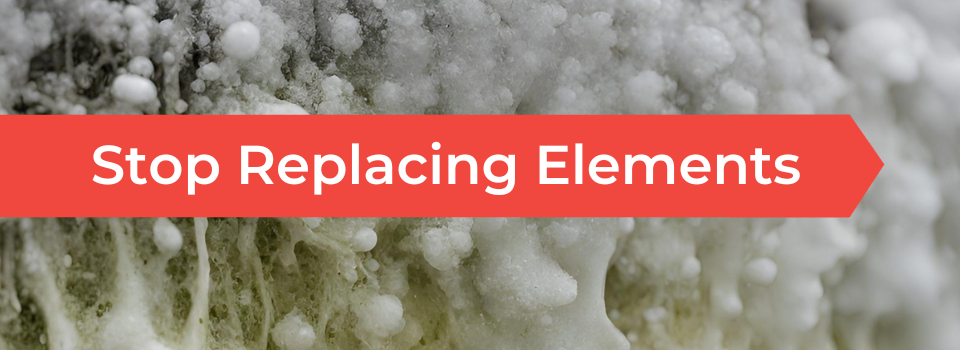

Do you Struggle with Frequent Element Replacements and Excessive Scale Build-up?
Solve the problem with XTEND elements
- Lower operating temperatures help reduce mineral precipitation
- Low watt density helps minimise scale build-up
- Stainless Steel or Titanium protection shields the ceramic heating core
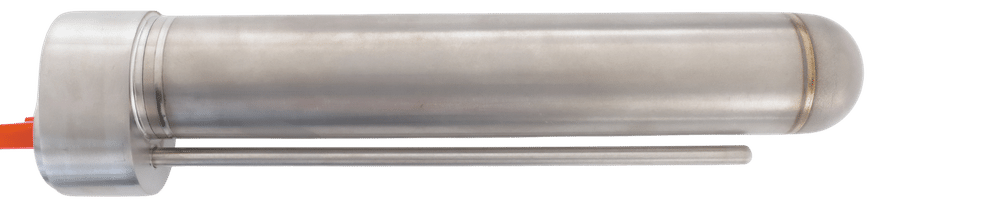
Stainless Steel or Titanium XTEND element?
XTEND Elements are available in Stainless Steel and Titanium, with each material designed for specific water conditions. Selecting the correct element for your water supply will maximise performance, improve durability, and extend the lifespan of your geyser element.
Choose Stainless Steel if:
Choose Titanium if:
- You use municipal water that meets SANS 241 standards
- Your water is not highly corrosive
- You want a cost-effective option for a typical home
- You use borehole water
- Your water quality is unknown
- Your water has high chloride (salt) levels
- Your water contains high levels of iron or corrosive minerals
- Your water is known to be aggressive or corrosive
- You want maximum corrosion resistance and service life in challenging water conditions
Titanium vs 316 Stainless Steel in Iron-Rich Water
When water is high in iron, especially if it also contains chlorides (as with brackish or certain borehole water), the gap between titanium and 316 stainless steel becomes significant. Both are described as “corrosion-resistant”, but they handle iron deposits and chemical attack very differently.
| Feature | 316 Stainless Steel | Titanium |
|---|---|---|
| Corrosion and pitting | Depends on oxygen to maintain its protective chromium oxide layer. When iron deposits block that oxygen, the area turns acidic and pitting corrosion follows. | Its oxide layer is far more stable and stays intact under heavy sediment or iron scale. Virtually immune to pitting in water below 100°C, whatever the iron content. |
| Fouling and rouging | Iron can interact with the surface. In slightly acidic water this causes staining that is hard to remove without specialised treatment (passivation). | Acts as a passive host. Iron settles on it but never chemically bonds, so deposits can usually be flushed away with high-pressure water. |
The bottom line: For iron-rich or high-chloride water, titanium is the technical winner.
Not sure which XTEND Element is right for you?
If you're uncertain about your water quality, we recommend choosing the Titanium XTEND Element for the greatest protection and long-term reliability.
Over Time Hard Water Damages Standard Elements
This can all be caused by limescale build up from heating "hard water" and corroded by a high metal count at certain temperatures. As the limescale builds up the element has to work harder to achieve the same result, costing more to run, and will eventually burnout if the scale build up is excessive.
Right: Limescale build up over time in hard water on a standard resistive element.
Slide centre line for before and after>>


XTEND elements are protected with a large straight stainless-steel or titanium tube. Any scale build up is located in the middle around the heating core, however, and most importantly, this scale build up will not affect the performance of the ceramic element inside. Heat is simply transferred around the scale build-up.
XTEND Elements can also be serviced to remove excessive scale build-up, helping extend their working life even further.
Slide centre line for before and after cleaning



Do you Struggle with Frequent Element Replacements and Excessive Scale Build-up?
Solve the problem with XTEND elements
- Lower operating temperatures help reduce mineral precipitation
- Low watt density helps minimise scale build-up
- Stainless Steel or Titanium protection shields the ceramic heating core
Choose the Right XTEND Element for Your Water
XTEND Elements are available in 316 Stainless Steel and Titanium. Choosing the correct material for your water supply helps maximise performance and extend element life.
316 Stainless Steel - Municipal Water
Recommended for treated municipal water with normal water chemistry. 316 Stainless Steel provides excellent corrosion resistance and reliable long-term performance.
- You use municipal water that meets SANS 241 standards
- Your water is not highly corrosive
- You want a cost-effective option for a typical home
Titanium - Borehole and Aggressive Water
Recommended for borehole water, iron-rich water, brackish water, untreated water, or water with elevated chloride levels. Titanium offers superior resistance to pitting and corrosion in these more demanding conditions.
- You use borehole water
- Your water quality is unknown
- Your water has high chloride (salt) levels
- Your water contains high levels of iron or corrosive minerals
- Your water is known to be aggressive or corrosive
- You want maximum corrosion resistance and service life in challenging water conditions
Titanium vs 316 Stainless Steel in Iron-Rich Water
When water is high in iron, especially if it also contains chlorides (as with brackish or certain borehole water), the gap between titanium and 316 stainless steel becomes significant. Both are described as “corrosion-resistant”, but they handle iron deposits and chemical attack very differently.
| Feature | 316 Stainless Steel | Titanium |
|---|---|---|
| Corrosion and pitting | Depends on oxygen to maintain its protective chromium oxide layer. When iron deposits block that oxygen, the area turns acidic and pitting corrosion follows. | Its oxide layer is far more stable and stays intact under heavy sediment or iron scale. Virtually immune to pitting in water below 100°C, whatever the iron content. |
| Fouling and rouging | Iron can interact with the surface. In slightly acidic water this causes staining that is hard to remove without specialised treatment (passivation). | Acts as a passive host. Iron settles on it but never chemically bonds, so deposits can usually be flushed away with high-pressure water. |
The bottom line: For iron-rich or high-chloride water, titanium is the technical winner.
Not sure which XTEND Element is right for you?
If you're uncertain about your water quality, we recommend choosing the Titanium XTEND Element for the greatest protection and long-term reliability for challengin water conditions
Over Time Hard Water Damages Standard Elements
This can all be caused by limescale build up from heating "hard water" and corroded by a high metal count at certain temperatures. As the limescale builds up the element has to work harder to achieve the same result, costing more to run, and will eventually burnout if the scale build up is excessive.
Right: Limescale build up over time in hard water on a standard resistive element.
Slide centre line for before and after>>
XTEND elements are protected with a large straight stainless-steel or titanium tube. Any scale build up is located in the middle around the heating core, however, and most importantly, this scale build up will not affect the performance of the ceramic element inside. Heat is simply transferred around the scale build-up.
XTEND Elements can also be serviced to remove excessive scale build-up, helping extend their working life even further.
Slide centre line for before and after cleaning
Do you Struggle with Frequent Element Replacements and Excessive Scale Build-up?
Solve the problem with XTEND
- Lower operating temperatures help reduce mineral precipitation
- Low watt density helps minimise scale build-up
- Stainless Steel or Titanium protection shields the ceramic heating core
Stainless Steel or Titanium?
XTEND Elements are available in Stainless Steel and Titanium. Choosing the right element for your water supply helps maximise performance and extend element life.
Choose STAINLESS STEEL if:
- You use municipal water that meets SANS 241 standards
- Your water is not highly corrosive
- You want a cost-effective option for a typical home
Choose TITANIUM if:
- You use borehole water
- Your water quality is unknown
- Your water has high chloride (salt) levels
- Your water contains high levels of iron or corrosive minerals
- Your water is known to be aggressive or corrosive
- You want maximum corrosion resistance and service life in challenging water conditions
Titanium vs 316 Stainless Steel in Iron-Rich Water
Iron-rich or brackish borehole water is tough on metals. Here’s how they compare:
Pitting corrosion
-
316 Stainless: Iron deposits block the oxygen it needs to protect itself, which can lead to pitting.
-
Titanium: Its protective layer stays stable under sediment and iron scale. It is virtually immune to pitting below 100°C.
Fouling and staining
-
316 Stainless: Can stain in slightly acidic water, and the marks need specialised chemicals to remove.
-
Titanium: Iron settles on it but doesn’t bond. Like a non-stick pan, it usually flushes off with high-pressure water.
The bottom line: For iron-rich or high-chloride water, titanium is the technical winner.
Not sure about your water quality? Choose Titanium for greater protection.
XTEND protects the ceramic heating core inside a large, straight stainless-steel or titanium tube.
Even if scale builds up, the ceramic core continues to heat effectively, transferring heat around the build-up without compromising performance.
XTEND Elements can also be serviced to remove excessive scale build-up, helping extend their working life even further.
Slide centre line for before and after cleaning